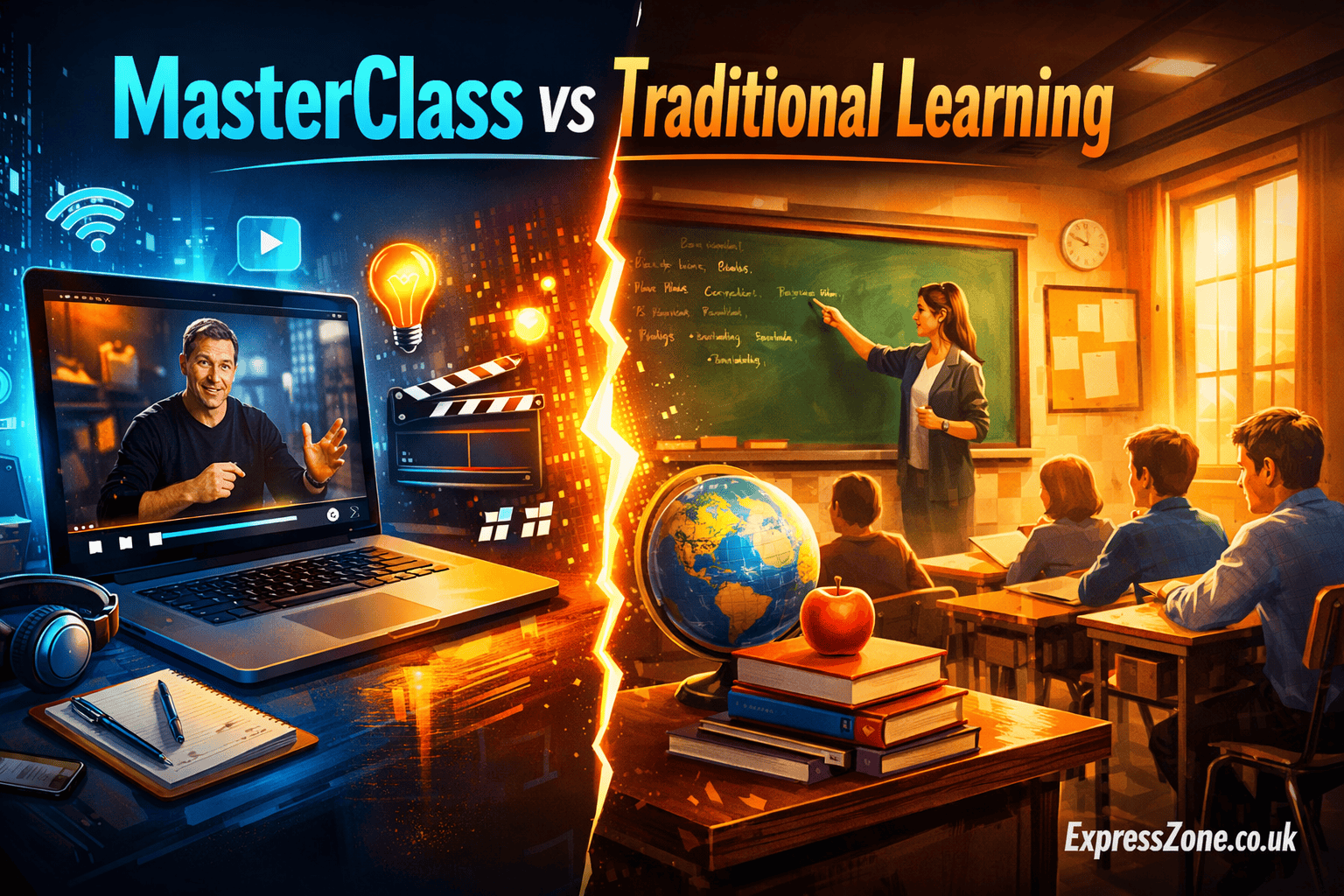
MasterClass vs Traditional Learning: Which One Wins in 2026?
Education has undergone a massive transformation over the last decade. From rigid classroom settings to flexible, on-demand learning platforms, the way people acquire knowledge has changed dramatically. Today, platforms like MasterClass offer access to world-renowned experts, providing high-quality, practical lessons that focus on real-world skills rather than theoretical knowledge.
Traditional education systems, such as schools and universities, continue to follow structured curricula, standardized testing, and long-term academic pathways. While both aim to educate, they differ significantly in learning style, accessibility, and outcomes.
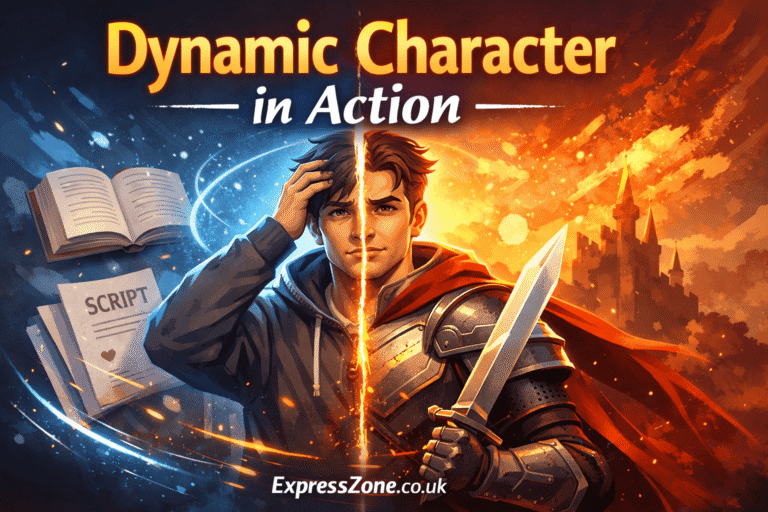
Understanding how modern learning impacts creativity is critical, especially in fields like writing, filmmaking, and entrepreneurship. For instance, learning how a dynamic character evolves in a story can enhance narrative skills and engagement. You can explore this concept further in this detailed guide on dynamic characters in storytelling.
At the same time, platforms like MasterClass allow learners to access industry insights directly from experts through structured video lessons. You can explore the platform and its courses in detail on the MasterClass official website.
In this article, we will compare MasterClass vs traditional learning, highlighting their features, benefits, drawbacks, real-world applications, and future trends to determine which method is better suited for learners in 2026.
What is MasterClass and How Does It Work in 2026?
What exactly is MasterClass, and why is it so popular in 2026?
MasterClass is a premium online learning platform that allows learners to access courses taught by experts in their fields. Instead of focusing on academic theory, MasterClass emphasizes practical skills, inspiration, and personal growth. Courses cover areas such as business, writing, cooking, health, entrepreneurship, arts, and technology.
Key Features of MasterClass
- Expert-led courses – Learn directly from celebrities, professionals, and industry leaders.
- High-quality video lessons – Cinematic, engaging, and designed for easy comprehension.
- Self-paced learning – Courses can be accessed anytime, on multiple devices.
- Certificates and sessions – Step-by-step guided programs for skill development.
MasterClass is particularly ideal for freelancers, creatives, and professionals looking to gain actionable knowledge quickly without committing to a full academic program.
What is Traditional Learning and Why It Still Matters?
Why is traditional learning still relevant in 2026?
Traditional learning refers to structured, classroom-based education systems, including schools, colleges, and universities. These programs typically follow set curricula, standardized tests, and long-term academic paths. Traditional education provides recognized certifications and degrees, which are still essential for many professions.
Key Advantages
- Accredited degrees – Essential for fields like medicine, law, and engineering.
- Structured learning path – Clear progression and foundation in core subjects.
- Teacher guidance – Instructors provide feedback and mentorship.
- Networking opportunities – Access to peers and alumni networks.
Despite the rise of online learning, traditional education remains vital for careers that require formal qualifications and professional accreditation.
MasterClass vs Traditional Learning – Core Differences Explained
How do MasterClass and traditional learning compare?
The core differences lie in flexibility, cost, learning style, and outcomes. MasterClass emphasizes self-paced, skill-based learning, while traditional education focuses on structured programs and accredited qualifications.
Key Comparison Points
| Feature | MasterClass | Traditional Learning |
|---|---|---|
| Flexibility | High | Low |
| Cost | Subscription-based (~$180/year) | High tuition fees |
| Certification | Limited | Accredited degrees |
| Learning Style | Self-paced, practical | Structured, theoretical |
| Real-world application | Immediate | Indirect, long-term |
MasterClass allows learners to start and complete courses at their own pace, while traditional learning requires adherence to schedules, semesters, and standardized exams.
Benefits of MasterClass in Modern Learning
Why is MasterClass gaining popularity among learners in 2026?
MasterClass offers flexibility, expert insights, and practical knowledge that can be applied immediately. It is perfect for learners who value skill acquisition over formal accreditation.
Key Benefits
- Learn from industry leaders – Courses taught by real professionals in their field.
- Flexible schedule – Study anytime, anywhere.
- Practical learning – Focused on skills you can apply immediately.
- Affordable access – One subscription grants access to all courses.
For example, aspiring writers can learn storytelling techniques and character development by studying lessons from famous authors, gaining insights that are difficult to acquire in a traditional classroom.
Advantages of Traditional Learning Systems
Despite the rise of online platforms, traditional learning still holds unique value.
Structured classrooms and university programs provide a disciplined environment, accredited degrees, and long-term career opportunities.
Key Advantages
- Accredited qualifications – Essential for regulated professions.
- Structured guidance – Provides a clear roadmap for learning.
- Peer and mentor networking – Builds professional relationships.
- Comprehensive knowledge foundation – Covers theory and principles extensively.
Traditional learning is particularly valuable for careers requiring formal credentials, such as medicine, engineering, and law.
Limitations and Hidden Drawbacks of Both Systems
Are there downsides to MasterClass or traditional education?
Yes, both have limitations. MasterClass lacks formal recognition, and some learners may prefer more structured guidance. Traditional education, meanwhile, can be costly, rigid, and slower to provide practical skills.
Drawbacks
- MasterClass: Limited certification, self-discipline required, less networking.
- Traditional Learning: High cost, inflexibility, slower adaptation to industry trends.
Understanding these limitations helps learners choose the method that best suits their goals.
Real-World Use Cases – Which One Works Better?
Which learning method works best for different people?
It depends on your career goals, learning style, and field of interest.
Scenarios
- Students: Traditional learning for degrees; MasterClass for skills like writing, coding, or public speaking.
- Freelancers: MasterClass offers fast, practical skill acquisition for gigs and projects.
- Professionals: Hybrid approach – traditional degree plus MasterClass for continuous skill growth.
- Creators and writers: Platforms like MasterClass provide practical storytelling, marketing, and creative skills unavailable in standard classrooms.
For example, learning about complex storytelling elements like dynamic characters is easier on platforms that emphasize practical and interactive learning, similar to how MasterClass structures its creative courses.
Future of Learning – Trends in 2026 and Beyond
What does the future of learning look like?
Learning is moving toward hybrid models, combining the flexibility of digital platforms with the credibility of structured programs. AI-driven learning, micro-certifications, and skill-based education are becoming increasingly prominent.
Key Trends
- Hybrid learning models – Combining online skill training with traditional degrees.
- AI in education – Personalized learning paths and smart tutoring.
- Skill-based economy – Employers value practical expertise over formal credentials.
- Micro-learning and short courses – Faster, outcome-driven education.
Platforms like MasterClass are adapting to these trends by adding certificates, interactive projects, and personalized learning paths to remain competitive.
Expert Insights & Practical Advice
How should you decide between MasterClass and traditional learning?
The choice depends on your goals, career path, and personal learning preferences.
- Choose MasterClass if you want:
- Flexible, self-paced skill learning
- Practical, real-world knowledge
- Inspiration from industry experts
- Choose Traditional Learning if you want:
- Accredited degrees
- Structured guidance and mentorship
- Long-term career stability in regulated professions
- Best approach: Combine both. Get the degree you need and supplement with MasterClass courses to stay ahead in skills and creativity.
FAQs About MasterClass and Traditional Learning
Is MasterClass worth it in 2026?
Yes, especially for skill-based learning, creative professionals, and anyone seeking practical knowledge from experts.
Can MasterClass replace college?
Not entirely. MasterClass cannot provide accredited degrees, but it complements formal education by offering practical skills and real-world insights.
Which is better for career growth?
It depends on the field. Degrees are essential for regulated professions, while MasterClass helps develop practical, high-demand skills.
Is online learning recognized?
While most employers value formal degrees, online platforms like MasterClass demonstrate commitment to skill development, which is increasingly valued in modern industries.
Who should use MasterClass?
Freelancers, creatives, professionals, and lifelong learners who want flexible, expert-led education.
Final Verdict – Which One Wins in 2026?
Both systems have unique advantages. MasterClass excels in flexible, skill-based learning, while traditional education provides structured knowledge, credibility, and formal qualifications.
The best approach in 2026 is a hybrid one: leverage the expert-led, practical learning of MasterClass while pursuing structured academic credentials when necessary. This combination ensures both career readiness and lifelong skill growth.

Kamran Khatri is a versatile writer and editor at ExpressZone.co.uk, bringing fresh perspectives and insightful commentary across a wide range of topics. With a passion for exploring diverse subjects—from technology, business, and finance to lifestyle, travel, and the arts—Kamran aims to inform, inspire, and engage readers through well-researched articles and thought-provoking content.
His work spans multiple categories including health, education, pets, entertainment, real estate, and sustainability, reflecting his commitment to delivering knowledge that connects with everyday life. Whether breaking down the latest trends, sharing practical tips, or highlighting cultural insights, Kamran’s writing combines clarity with creativity.
When he’s not crafting stories for ExpressZone.co.uk, Kamran enjoys keeping up with global developments, exploring innovative ideas, and connecting with readers who share his curiosity about the world.