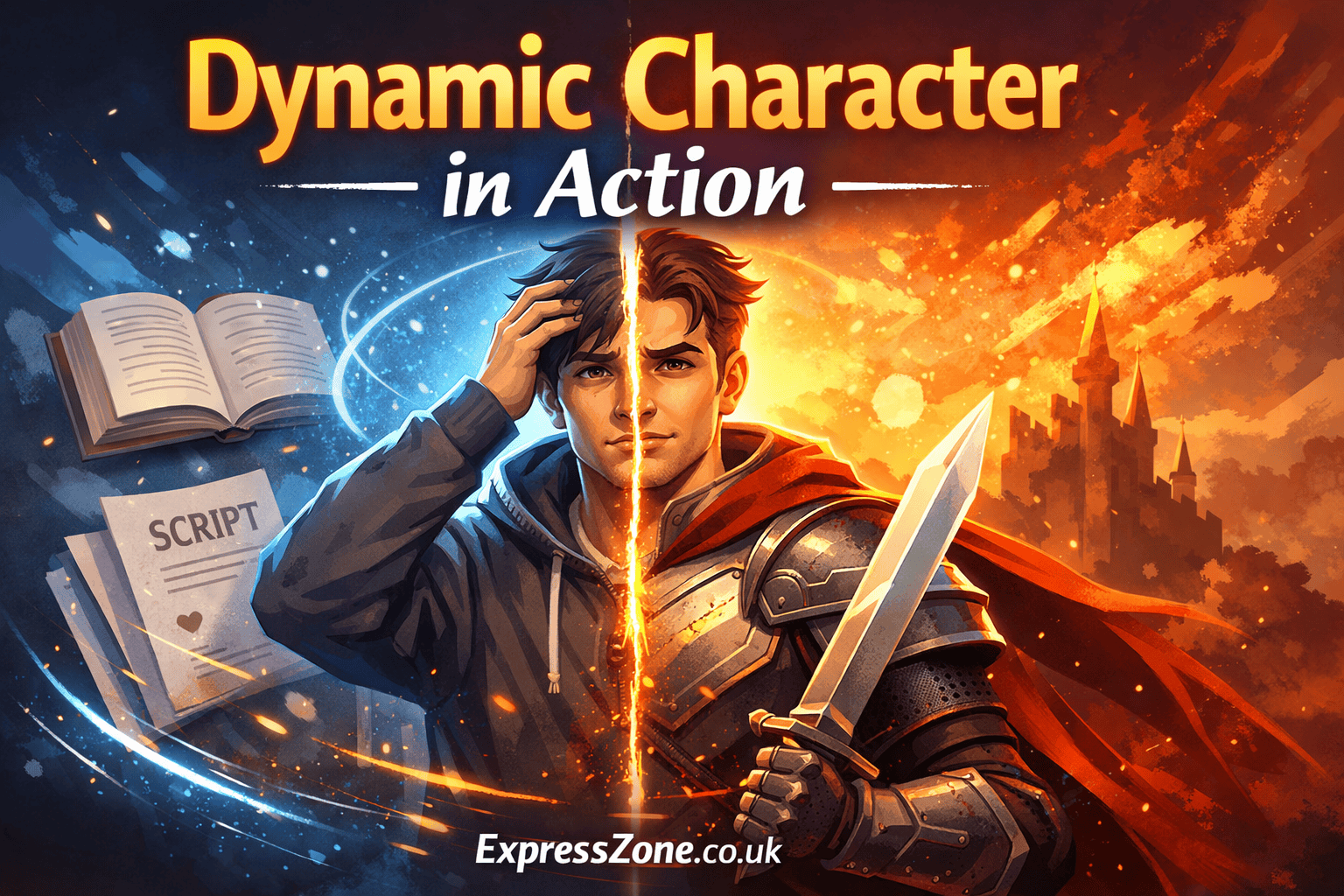
Dynamic Character Explained: Meaning, Examples, and Why It Matters in Storytelling
Storytelling has always thrived on characters that feel real, relatable, and capable of change. One of the most important elements that makes a story compelling is the presence of a dynamic character, a character who evolves through challenges, conflicts, and experiences, leaving a lasting impact on the audience.
In modern literature and media, understanding how a dynamic character functions is crucial for both writers and readers. According to this detailed guide on dynamic character definition and examples, these characters undergo meaningful internal transformations that shape the story’s direction and emotional depth.
Learning about complex literary concepts like dynamic character has become easier thanks to modern digital platforms. Many students and writers rely on systems like Pima Blackboard to explore topics such as storytelling techniques and character development in an interactive and structured way. This platform allows learners to access study materials, participate in discussions, and track progress efficiently. You can explore its features in this detailed guide on Pima Blackboard.
In this article, we will cover everything you need to know about dynamic character, including its definition, characteristics, real-world examples, practical writing tips, and future trends in storytelling.
🟢 What Is a Dynamic Character?
A dynamic character is a character who experiences significant internal change throughout the story. Unlike static characters, who remain largely the same from beginning to end, dynamic characters evolve emotionally, mentally, or morally.
Key Insights:
- Internal change is central: their thoughts, beliefs, or personality transform.
- Conflict-driven growth: Events in the plot challenge them and trigger evolution.
- Audience engagement: Readers or viewers relate better to characters who grow.
For example, in literature, a character might start as selfish or naïve but gradually become compassionate or wise. This transformation is what defines a dynamic character and gives the story depth.
🟢 Key Characteristics of a Dynamic Character
Dynamic characters are not static—they are defined by traits that evolve naturally over time. Understanding these characteristics helps writers craft compelling stories.
Main Traits:
- Emotional Depth – Their feelings change realistically in response to events.
- Psychological Growth – They learn lessons or adjust beliefs through experiences.
- Decision Making – Choices reflect their evolution over the story.
- Conflict Response – They react and adapt to challenges instead of staying rigid.
A well-developed dynamic character feels real because the audience witnesses their internal journey unfold, making their story arc memorable.
🟢 Dynamic Character vs Static Character
One of the most critical distinctions in literature is between a dynamic character and a static character.
Comparison:
| Feature | Dynamic Character | Static Character |
|---|---|---|
| Change | Evolves emotionally, morally, or mentally | Remains the same throughout the story |
| Role in Story | Drives growth and themes | Supports plot without evolving |
| Reader Engagement | High, due to relatability | Low, minimal transformation |
While dynamic characters shape the story’s trajectory, static characters often provide stability or serve as a backdrop. Both are essential, but the dynamic character is usually the protagonist whose journey carries emotional weight.
🟢 Types of Character Arcs in Storytelling
A dynamic character typically follows a character arc, which illustrates their transformation. Understanding the types of arcs can help writers plan character growth effectively.
Types of Character Arcs:
- Positive Arc – Character grows or improves morally, emotionally, or socially.
- Negative Arc – Character declines, becomes corrupted, or suffers moral failure.
- Flat Arc – Character remains largely unchanged but influences others and drives the story.
Each arc type provides a blueprint for how a dynamic character evolves and interacts with the plot.
🟢 Real Examples of Dynamic Characters
Studying examples makes it easier to understand dynamic characters in practice.
- Ebenezer Scrooge (A Christmas Carol) – Transforms from selfish to generous.
- Scout Finch (To Kill a Mockingbird) – Grows in empathy and understanding of morality.
- Sydney Carton (A Tale of Two Cities) – Evolves from a careless, self-destructive man to a self-sacrificing hero.
These examples demonstrate how experiences, choices, and challenges shape a dynamic character into someone the audience cares deeply about.
🟢 Why Dynamic Characters Matter in Storytelling
Dynamic characters are essential because they:
- Enhance realism – Readers relate to growth and change.
- Drive emotional engagement – Audiences care about their journey.
- Shape story themes – Transformations highlight key messages like redemption, resilience, or self-discovery.
- Increase suspense and interest – Unpredictable growth keeps readers hooked.
A story without a dynamic character risks feeling flat, predictable, or emotionally disengaging.
🟢 Benefits of Using Dynamic Characters
Incorporating dynamic characters offers multiple advantages:
- Stronger narrative depth – Stories feel layered and meaningful.
- Better audience connection – Readers identify with evolving emotions and struggles.
- Enhanced character arcs – Provides a clear journey from start to finish.
- Greater storytelling flexibility – Can explore complex themes like morality, growth, or societal change.
By thoughtfully designing dynamic characters, writers can elevate their storytelling to professional levels.
🟢 Potential Limitations or Risks
While dynamic characters enrich stories, improper development can harm a narrative:
- Sudden, unrealistic changes – Transformations must feel earned.
- Inconsistent behavior – Character actions must align with their evolution.
- Overcomplicated arcs – Too many changes can confuse readers.
- Neglecting plot coherence – Character change should support the story, not overshadow it.
Careful planning and attention to detail are crucial when designing a dynamic character.
🟢 Common Mistakes Writers Make
Some frequent mistakes when crafting dynamic characters include:
- Vague motivations – The character’s changes feel ungrounded.
- Lack of gradual transformation – Sudden shifts feel forced.
- Ignoring relationships – Interactions often drive evolution.
- Weak conflict development – Without challenges, the transformation is unconvincing.
Avoiding these pitfalls ensures the character’s journey is authentic and impactful.
🟢 Practical Tips to Create a Strong Dynamic Character
Here’s how writers can craft compelling dynamic characters:
- Start with a flaw or weakness – Characters must have room to grow.
- Build meaningful conflict – Conflict drives transformation.
- Show gradual change – Small, realistic shifts make evolution believable.
- Use realistic dialogue and actions – Behavior should reflect growth.
- Track development – Ensure consistency throughout the story.
Modern learning platforms like Pima Blackboard can help students and aspiring writers explore these techniques interactively. You can learn more about its features here: Pima Blackboard Guide.
🟢 Real-World Use Cases of Dynamic Characters
The concept of a dynamic character extends beyond books into movies, TV, and video games:
- Movies & TV: Character evolution drives emotional arcs and engagement.
- Video Games: Player-controlled characters often follow dynamic arcs for immersive experiences.
- Marketing & Storytelling: Brands create evolving narratives to engage audiences emotionally.
Platforms that teach storytelling, like Pima Blackboard, help learners study these real-world applications in structured, interactive ways.
🟢 Future Trends in Character Development (2025–2030)
Storytelling is evolving, and the dynamic character will continue to be crucial:
- AI-driven narratives – Characters adapt to player or reader choices dynamically.
- Interactive and personalized stories – Digital media allows audiences to influence character arcs.
- Cross-platform storytelling – Characters evolve across books, movies, games, and social media narratives.
Understanding these trends ensures writers stay ahead in creating memorable characters.
🟢 FAQs About Dynamic Characters
Q1: What is a dynamic character?
A dynamic character is one who changes emotionally, morally, or mentally throughout the story, often due to conflict or life experiences.
Q2: How is a dynamic character different from a static character?
Unlike static characters, who remain largely unchanged, dynamic characters evolve and grow, making them more engaging and relatable.
Q3: Why are dynamic characters important in storytelling?
They enhance realism, drive emotional engagement, shape story themes, and keep readers invested in the narrative.
Q4: Can a protagonist be a dynamic character?
Yes, most protagonists are dynamic characters because their growth or change often carries the story’s central theme.
Q5: What are some famous examples of dynamic characters?
Ebenezer Scrooge, Scout Finch, and Sydney Carton are classic examples from literature, while modern media also features dynamic characters in films and games.
🟢 Conclusion
The dynamic character is the backbone of compelling storytelling. They provide emotional depth, realism, and a sense of journey that captivates audiences. Whether in literature, film, or interactive media, understanding how characters evolve is key to creating stories that resonate.
By applying the strategies, examples, and insights in this guide, writers can craft characters that feel alive, relatable, and unforgettable.
Learn more about the concept of dynamic character in detail here. And if you want to explore structured learning on character development, platforms like Pima Blackboard provide interactive tools and study resources to enhance your understanding.

Kamran Khatri is a versatile writer and editor at ExpressZone.co.uk, bringing fresh perspectives and insightful commentary across a wide range of topics. With a passion for exploring diverse subjects—from technology, business, and finance to lifestyle, travel, and the arts—Kamran aims to inform, inspire, and engage readers through well-researched articles and thought-provoking content.
His work spans multiple categories including health, education, pets, entertainment, real estate, and sustainability, reflecting his commitment to delivering knowledge that connects with everyday life. Whether breaking down the latest trends, sharing practical tips, or highlighting cultural insights, Kamran’s writing combines clarity with creativity.
When he’s not crafting stories for ExpressZone.co.uk, Kamran enjoys keeping up with global developments, exploring innovative ideas, and connecting with readers who share his curiosity about the world.