Application Mobile DualMedia: Complete Guide to Features, Benefits & Future Trends
Mobile users today expect more than single-purpose apps—they want flexible, immersive, all-in-one experiences. That’s where application mobile dualmedia comes in. These modern apps combine video, audio, text, and interactive features into one seamless platform, reducing app-switching and boosting engagement.
In this complete guide, you’ll learn how dualmedia apps work, their real-world value, benefits, challenges, and what the future holds in 2026 and beyond.
🧠 What Is Application Mobile DualMedia?
What does application mobile dualmedia actually mean, and why is it gaining attention?
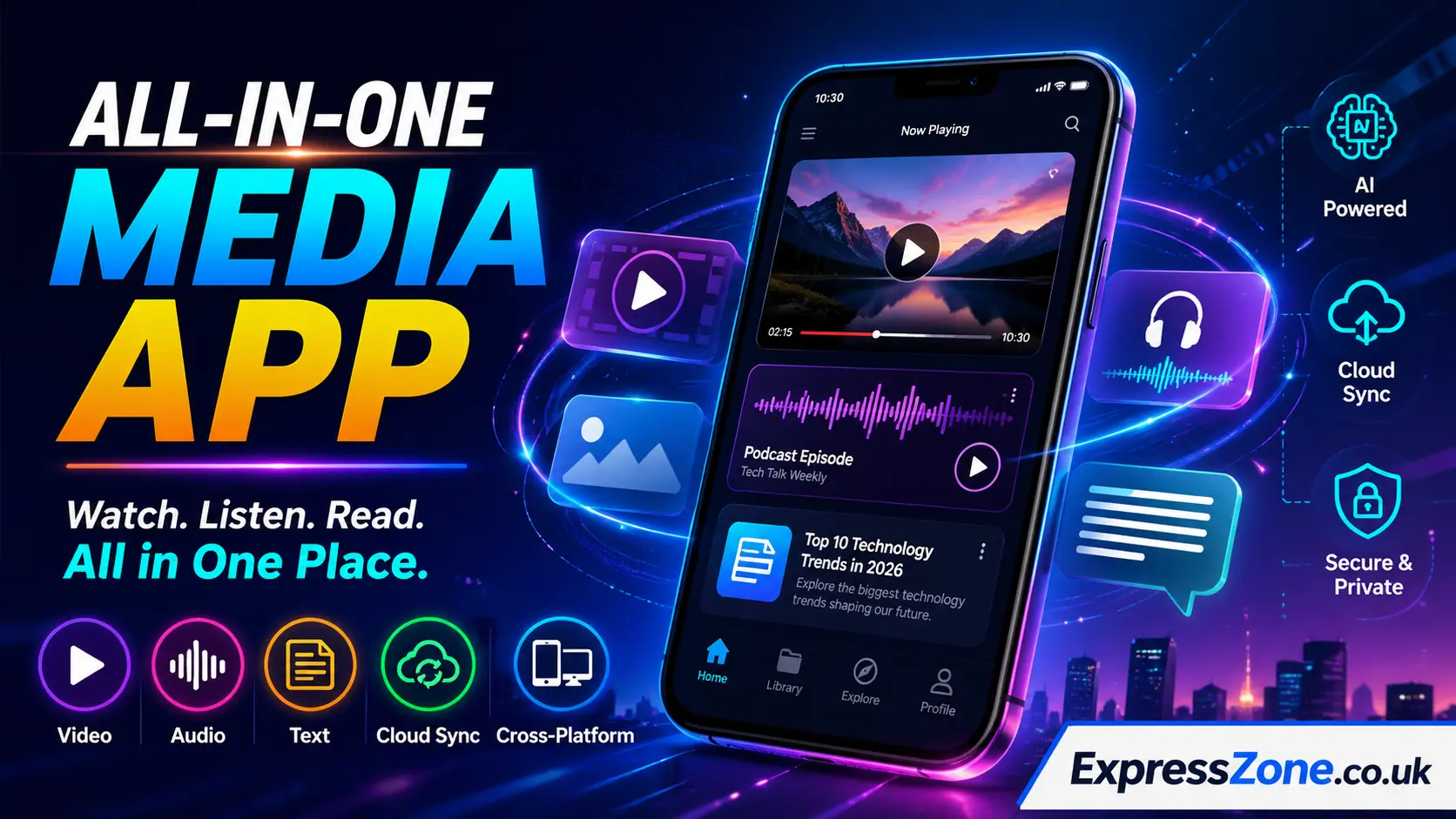
Application mobile dualmedia refers to a new generation of mobile apps designed to integrate multiple media formats—such as video, audio, images, and text—within a single unified experience, allowing users to consume and interact with content more efficiently.
Unlike traditional apps that focus on a single function (like video streaming or messaging), dualmedia apps blend multiple functionalities into one platform. This makes them more powerful, versatile, and aligned with modern digital behavior.
In simple terms:
👉 It’s an all-in-one multimedia mobile application built for flexibility and convenience.
These apps are becoming essential because users today consume content in multiple formats—watching videos, listening to podcasts, reading articles—all often within the same session.
⚙️ How Application Mobile DualMedia Works
How do dualmedia apps manage different content formats so smoothly?
They rely on advanced backend systems, smart media processing, and cloud integration to deliver seamless experiences across devices.
At the core, dualmedia applications use:
- Media integration layers that combine video, audio, and text
- Cloud-based storage and syncing for real-time updates
- APIs and streaming protocols to deliver content instantly
- Adaptive interfaces that allow switching between formats
For example, a user can start watching a video and instantly switch to audio-only mode without leaving the app. This is possible due to dynamic media rendering systems.
👉 To understand the technical side in more depth, explore this guide on application mobile dualmedia technology and development, which explains how modern multimedia apps are structured and optimized.
🚀 Key Features of Application Mobile DualMedia
What makes dualmedia apps powerful and different from regular apps?
Their strength lies in combining flexibility, performance, and user-centric design into a single platform.
🎥 Multi-Format Content Integration
Users can access videos, podcasts, blogs, and images in one place. This eliminates the need for multiple apps.
🔄 Seamless Media Switching
Switching between video, audio, or text happens instantly—perfect for multitasking users.
☁️ Cloud Synchronization
Data syncs across devices, allowing users to continue where they left off.
📱 Cross-Platform Compatibility
These apps work smoothly across Android, iOS, and web platforms.
🔐 Security & Privacy
Advanced encryption ensures user data remains secure while accessing different media formats.
🌍 Real-World Use Cases and Examples
Where are application mobile dualmedia apps used in real life?
They are already transforming multiple industries by improving how users interact with content.
🎓 Education Platforms
Students can watch lectures, listen to summaries, and read notes—all within one app.
🎧 Entertainment Apps
Users can switch between watching videos and listening to audio versions.
💼 Business Productivity Tools
Companies use dualmedia systems for meetings, training, and collaboration.
👉 Many modern systems also integrate workflow and media features, similar to AI-powered digital productivity platforms like Timewarp TaskUs that demonstrate how integrated tools improve efficiency and user engagement.
📱 Social Media Platforms
Live streaming, messaging, and content sharing are all combined into one ecosystem.
💡 Benefits of Application Mobile DualMedia
Why are these apps becoming so popular among users and businesses?
Because they offer convenience, efficiency, and a richer user experience.
- ✅ All-in-one experience – no need to switch apps
- ✅ Higher engagement – users stay longer
- ✅ Time-saving – faster access to content
- ✅ Better productivity – especially for professionals
- ✅ Flexible consumption – watch, listen, or read anytime
For businesses, this means higher retention, improved user satisfaction, and better monetization opportunities.
⚠️ Challenges and Limitations
Are there any downsides to application mobile dualmedia apps?
Yes, despite their advantages, they come with certain challenges.
- ❌ High development costs due to complex architecture
- ❌ Performance optimization issues when handling multiple media types
- ❌ Heavy data usage for streaming content
- ❌ Complex UI/UX design requirements
Developers must balance performance and functionality to avoid slow or cluttered apps.
🔄 Comparison with Traditional Mobile Applications
How do dualmedia apps compare to standard mobile apps?
The difference is significant in terms of functionality and user experience.
| Feature | Traditional Apps | DualMedia Apps |
|---|---|---|
| Media Support | Single format | Multiple formats |
| User Experience | Basic | Advanced & interactive |
| Flexibility | Limited | High |
| Engagement | Moderate | Very high |
Dualmedia apps clearly offer a more dynamic and future-ready approach.
🌐 Role in the Modern Digital Ecosystem
Why are dualmedia apps important in today’s digital world?
Because they align perfectly with current trends in content consumption and technology.
- 📈 People consume multi-format content daily
- 🎥 Video + 🎧 audio + 📝 text are often used together
- 🤖 AI and cloud technologies support seamless integration
- 💼 Businesses need efficient digital tools
Dualmedia apps are not just a trend—they are becoming the foundation of next-generation mobile experiences.
🔮 Future Trends of Application Mobile DualMedia
What does the future look like for dualmedia apps?
The next few years will bring even more innovation and intelligence.
🤖 AI-Powered Personalization
Apps will suggest content based on user behavior and preferences.
🕶️ AR/VR Integration
Immersive experiences will combine real and virtual environments.
🎙️ Voice & Smart Assistants
Voice commands will control media consumption seamlessly.
📊 Real-Time Analytics
Users and businesses will get instant insights into content performance.
⚡ Hyper-Personalized Experiences
Every user will see customized content tailored to their needs.
🧑💼 Expert Insights & Practical Advice
What should you consider before using or building a dualmedia app?
From practical experience, success depends on strategy and execution.
✔ Focus on User Experience
Keep the interface simple despite complex features.
✔ Optimize Performance
Use lightweight media processing to avoid lag.
✔ Prioritize Core Features
Don’t overload the app—focus on what users actually need.
✔ Test Across Devices
Ensure smooth performance on different platforms.
✔ Avoid Common Mistakes
- Overcomplicated UI
- Poor media optimization
- Ignoring user feedback
🏁 Conclusion
Application mobile dualmedia is redefining how we use mobile apps by combining multiple media formats into one powerful platform. From entertainment to education and business, these apps are shaping the future of digital interaction.
As technology continues to evolve, dualmedia apps will become smarter, faster, and more personalized—making them a key part of the modern digital ecosystem.
❓ FAQ Section (Schema-Friendly)
1. What is application mobile dualmedia?
It is a type of mobile app that combines multiple media formats like video, audio, and text into one platform.
2. How does dualmedia technology work?
It uses cloud systems, APIs, and media integration layers to deliver seamless content experiences.
3. What are the main benefits of dualmedia apps?
They offer convenience, better engagement, and all-in-one functionality.
4. Are dualmedia apps better than traditional apps?
Yes, they provide more flexibility and improved user experience.
5. Which industries use dualmedia applications?
Education, entertainment, business, and social media industries widely use them.
6. What is the future of dualmedia apps?
They will evolve with AI, AR/VR, and personalized content technologies.

Kamran Khatri is a versatile writer and editor at ExpressZone.co.uk, bringing fresh perspectives and insightful commentary across a wide range of topics. With a passion for exploring diverse subjects—from technology, business, and finance to lifestyle, travel, and the arts—Kamran aims to inform, inspire, and engage readers through well-researched articles and thought-provoking content.
His work spans multiple categories including health, education, pets, entertainment, real estate, and sustainability, reflecting his commitment to delivering knowledge that connects with everyday life. Whether breaking down the latest trends, sharing practical tips, or highlighting cultural insights, Kamran’s writing combines clarity with creativity.
When he’s not crafting stories for ExpressZone.co.uk, Kamran enjoys keeping up with global developments, exploring innovative ideas, and connecting with readers who share his curiosity about the world.