Frosted Glass Nails: 25 Stunning Ideas, How to Get the Look & 2026 Trend Guide
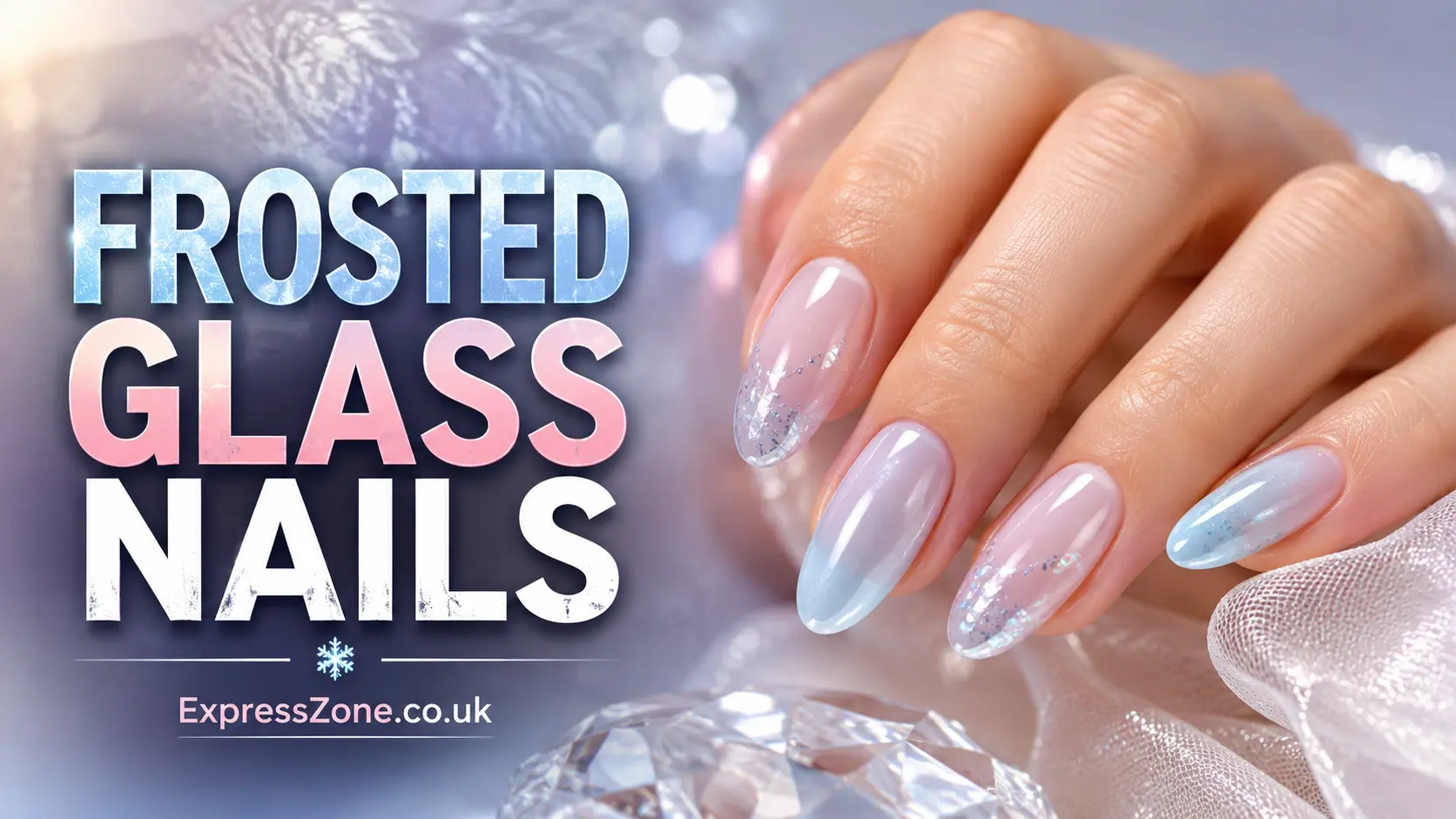
Nail trends often move between bold statement designs and softer, more wearable finishes. Frosted glass nails sit beautifully between the two. They have the translucent depth associated with glass-inspired manicures, but instead of a completely clear, glossy appearance, they feature a soft, diffused finish that can resemble misted, etched, or lightly frosted glass.
The result is a manicure that can look delicate and understated in milky white or pale pink, cool and modern in icy blue, or more dramatic in deeper jewel tones. Depending on the technique, the frosted effect may appear smooth and cloudy, softly luminous, or layered with subtle shimmer.
This versatility is a major part of the appeal. Frosted glass nails can work on short natural nails, long extensions, minimalist manicures, bridal looks, and more decorative nail art. The finish can also be adapted with chrome, ombré effects, French tips, floral details, or dimensional accents.
In this guide, you’ll learn what frosted glass nails are, how they compare with other popular translucent nail styles, how to create the look, and which designs are worth considering for your next manicure.
What Are Frosted Glass Nails?
Frosted glass nails are a manicure style designed to create the appearance of translucent or semi-translucent glass with a softened, hazy finish. Rather than looking completely transparent and highly reflective, the nails typically have a diffused quality similar to glass that has been etched, misted, or covered with a fine layer of frost.
There is no single formula for creating the effect. A nail artist might use sheer gel polish, milky colours, translucent builder gel, subtle shimmer, chrome powder, or a combination of layered finishes. The exact technique depends on the desired result.
Some versions are extremely subtle. A sheer white or nude base may be layered until the natural nail is softly blurred while still remaining slightly visible underneath. Other versions use cool-toned colours, pearlescent pigments, or reflective details to create a more noticeable icy appearance.
The defining feature is generally the balance between transparency and softness. The manicure should retain some of the depth associated with glass-inspired nails while avoiding the fully clear, wet-look finish often seen in traditional glass nails.
The final appearance can vary considerably. For example, milky frosted glass nails may look clean and minimalist, while blue or green versions can resemble pieces of sea glass. A pearlescent finish can create a more luminous effect, and a light chrome layer can add reflection without completely removing the soft, diffused appearance.
This flexibility makes the trend less about following one exact design and more about creating a particular visual effect.
Why Are Frosted Glass Nails Trending in 2026?
Frosted glass nails fit naturally into the continued interest in manicures that use texture, transparency, and light rather than relying only on detailed nail art. The look can feel visually interesting without requiring every nail to feature an elaborate design.
One reason the style is particularly adaptable is that it can be customised easily. Someone who prefers minimalist nails might choose a sheer milky finish, while a person looking for something more noticeable could add chrome, shimmer, an aura effect, or three-dimensional details.
The trend also works across seasons. Pale pinks, milky whites, and soft nudes can suit a clean everyday manicure or bridal look. Icy blues and silvers create a cooler winter-inspired effect, while translucent greens and aquas can produce a sea-glass appearance that feels appropriate for warmer months.
Another part of the appeal is the way the finish changes in different lighting. Because many frosted manicures use translucent layers, shimmer, or pearlescent pigments, the nails may appear softer in indirect light and more luminous under brighter light.
The style can also be adapted to different nail lengths. Long almond or coffin nails provide more space for layered effects and detailed designs, but short nails can achieve the same general aesthetic with a simple sheer colour and a carefully controlled frosted finish.
Rather than being limited to one specific colour or nail shape, frosted glass nails function as a broader design concept. That makes them easy to reinterpret, which is often what gives a nail trend staying power beyond a single viral design.
Frosted Glass Nails vs Glass Nails
Although the names are similar, frosted glass nails and traditional glass nails usually create noticeably different effects.
Glass nails generally focus on clarity, shine, and reflection. The goal is often to make the nail surface appear exceptionally smooth, glossy, and almost liquid. Some designs use transparent extensions, reflective films, chrome effects, or highly glossy top coats to enhance the illusion of clear or polished glass.
Frosted glass nails, by comparison, soften that clarity. Instead of a crystal-clear finish, they create a slightly blurred or diffused appearance. Think of the difference between a clear window and a frosted bathroom window: both are made of glass, but they interact with light in very different ways.
The distinction can be subtle because both styles may use translucent bases and reflective elements. However, the overall mood is different. Traditional glass nails often look sleek, sharp, and highly polished, while frosted versions tend to appear softer, cloudier, and more muted.
A frosted manicure does not necessarily have to be completely matte. In fact, many designs still use a glossy top coat. The “frosted” effect can come from the colour layers underneath rather than the surface texture itself. A milky translucent gel, for example, can create a hazy glass appearance while the final nail remains smooth and shiny.
This means the difference is not simply glossy versus matte. It is primarily about the level of visual clarity.
Choose traditional glass nails if you prefer a highly reflective, crystal-like manicure. Frosted glass nails may be a better fit if you like translucent depth but want something softer and more diffused.
Frosted Glass Nails vs Jelly Nails
Jelly nails and frosted glass nails both use transparency, which can make them appear similar at first glance. The key difference is usually the way the colour and clarity are presented.
Jelly nails are known for their sheer, translucent colour. They often resemble coloured jelly, sweets, or tinted glass. Bright pink, red, orange, blue, and green are common choices, although neutral jelly shades are also available.
The colour is typically transparent enough for light to pass through, especially when used on clear extensions. The finished effect is often glossy, juicy, and vibrant.
Frosted glass nails generally have a more diffused appearance. Instead of clear, candy-like transparency, the colour may look misty, milky, or softly blurred. A frosted pink manicure, for example, might have the translucency of a jelly nail but with enough white, pearl, or haze in the finish to soften the colour.
Another difference is the overall aesthetic. Jelly nails often feel playful and bright, while frosted designs can appear more understated, ethereal, or icy. However, these categories can overlap.
A nail artist could begin with a jelly colour and add a milky layer, fine shimmer, or another translucent finish to create a frosted effect. Similarly, a frosted glass design could use a brighter colour while retaining its characteristic haze.
The easiest way to distinguish the two is to look at the clarity. If the colour appears clear, glossy, and almost syrup-like, it is closer to a jelly manicure. If the transparency looks softened or misted, it is closer to the frosted glass nail aesthetic.
Frosted Glass Nails vs Cat-Eye Nails
Cat-eye nails create their visual effect in a very different way.
A cat-eye manicure typically uses magnetic nail polish containing fine metallic particles. Before the polish is cured, a magnet is positioned near the nail to move those particles and create a concentrated reflective pattern. Depending on the technique, the result can resemble a narrow beam of light, velvet, a galaxy, or a shifting three-dimensional glow.
Frosted glass nails do not require magnetic polish. Their defining effect comes from translucency and diffusion rather than a magnetically formed reflective line.
Visually, cat-eye nails usually have stronger movement and contrast. As the hand moves, the magnetic particles catch the light from different angles, creating a dynamic effect. Frosted glass nails are generally softer and more evenly diffused.
However, the two styles can be combined.
A sheer magnetic polish can be layered beneath a milky or translucent finish to create a manicure that has the depth of cat-eye nails with the softness of frosted glass. The magnetic shimmer remains visible, but the additional layer can make it appear as though the reflection is sitting behind a thin sheet of misted glass.
This combination can be particularly effective with silver, pale pink, icy blue, champagne, or soft green shades.
The best choice depends on the effect you want. Cat-eye nails are ideal if you prefer a manicure with obvious light movement and a stronger reflective pattern. Frosted glass nails offer a softer alternative for those who prefer hazy translucency and a more diffused finish. Combining the two can create a layered look that incorporates elements of both styles.
How to Get Frosted Glass Nails
There is no single technique for creating frosted glass nails. The best method depends on whether you want a milky, icy, pearlescent, matte, or softly reflective finish. In most cases, the effect comes from carefully layering translucent products rather than applying one completely opaque colour.
The goal is to maintain some visual depth while creating the soft haze that distinguishes frosted glass from a standard clear or jelly manicure.
Getting Frosted Glass Nails at a Salon
If you are visiting a nail salon, bringing a clear reference image is often the easiest way to communicate the exact finish you want. The term “frosted glass nails” can describe several variations, so explain whether you prefer a milky, matte, pearlescent, chrome, or translucent effect.
You can ask for a sheer base with a softly diffused finish rather than an opaque block colour. If you want more dimension, discuss subtle shimmer, pearl pigment, chrome, magnetic polish, or translucent layers with your nail technician.
The final technique will depend on your natural nails, chosen length, and the products available at the salon. Gel polish may be used for a simple manicure, while builder gel or extensions can provide additional structure and length. For those who prefer extensions, Gel X nails can also provide a smooth base for creating detailed frosted glass nail designs.
How to Create Frosted Glass Nails at Home
A simple version can be created at home with sheer or semi-translucent nail products. The exact process varies by product, so always follow the manufacturer’s application and curing instructions.
A basic approach may involve:
- Prepare the nails. Remove old polish, shape the free edge, and gently tidy the cuticle area. The nail surface should be clean and properly prepared for the system you are using.
- Apply the appropriate base coat. Use a base designed to work with your chosen nail polish or gel system.
- Build the translucent colour gradually. Apply thin layers of a sheer white, milky nude, pale pink, blue, or another semi-transparent shade. Thin coats help preserve the glass-like depth.
- Add the frosted effect. Depending on the desired look, this may come from a milky top layer, fine pearl pigment, subtle shimmer, translucent chrome, or a matte finish.
- Seal the manicure. Apply a compatible top coat. A glossy top coat can preserve the smooth glass effect, while a matte top coat can create a more literal etched-glass appearance.
When using gel products, proper curing is essential. Avoid getting uncured gel on the surrounding skin, and use products and lamps according to their instructions.
Products Commonly Used for the Look
The exact combination will vary, but a frosted manicure may use:
- A compatible base coat
- Sheer or translucent nail colour
- Milky white or nude gel
- Fine shimmer or pearl pigment
- Chrome powder for reflective variations
- Magnetic polish for a dimensional hybrid effect
- Glossy or matte top coat
- Nail preparation and application tools appropriate to the chosen system
You do not need every product on this list. A simple sheer colour layered with a milky finish can be enough to create a subtle frosted appearance.
The most important part is controlling opacity. Applying too many heavy layers can turn a translucent manicure into a solid colour and remove the depth that gives the style its glass-inspired character.
25 Frosted Glass Nail Ideas to Try
The beauty of frosted glass nails is how easily the finish can be adapted. From barely-there neutrals to cool blues and reflective chrome, the same basic concept can create completely different results.
Here are 25 ways to interpret the trend, beginning with 12 versatile designs.
1. Milky White Frosted Glass Nails
Milky white is one of the most natural choices for a frosted effect. Instead of using an opaque white polish, choose a sheer or semi-translucent shade that allows a hint of the natural nail to remain visible.
The result can resemble softly misted glass, particularly when the colour is applied in thin layers. A glossy top coat gives the manicure a smooth, polished finish, while a matte surface can make the effect appear more like etched glass.
Milky white works particularly well on short square, squoval, and almond-shaped nails. It is also a versatile choice for minimalist and bridal manicures because it looks clean without feeling overly stark.
2. Iced Matcha Frosted Nails
Iced matcha nails combine a soft green tone with a cloudy, translucent finish. Rather than choosing a bright or heavily saturated green, look for muted shades with milky undertones.
The colour can range from pale pistachio to a slightly deeper matcha green. A thin pearlescent layer can add light without overpowering the softness of the base.
This design works especially well during spring and summer, but the muted colour can also transition into cooler seasons. Almond and oval shapes complement its soft appearance, while short square nails can give the shade a cleaner, more contemporary feel.
3. Soft Pink Frost
Soft pink frosted nails offer a delicate alternative to a standard sheer pink manicure. The key is to create enough translucency for depth while adding a slightly cloudy finish.
A pale blush base can be layered with a sheer milky coat to soften the colour. For a more luminous result, a very fine pearl effect can be added before the top coat.
This style suits almost any nail length and shape. It can work as an everyday manicure, a subtle special-occasion look, or a base for additional details such as tiny crystals, fine lines, or minimalist nail art.
4. Sea Glass Nails
Sea glass nails take inspiration from pieces of weathered glass found along the shoreline. Soft aqua, pale green, muted blue, and translucent turquoise shades are particularly effective for this look.
A matte or softly diffused finish can help recreate the appearance of glass that has been naturally worn and smoothed over time. For more variety, each nail can feature a slightly different shade within the same coastal colour palette.
Short, rounded nails can make the design feel natural and understated, while longer transparent extensions create more space for layered colour. The result can range from minimalist to highly artistic depending on the number of shades and details used.
5. Icy Blue Frost
Icy blue frosted nails combine cool colour with a misted, winter-like finish. Pale blue works particularly well when layered over a translucent base rather than applied as a completely opaque shade.
Fine silver shimmer or a subtle pearl effect can create the impression of light reflecting through ice. For a more dramatic version, a small amount of chrome can be added while still allowing the blue base to remain visible.
This design is especially striking on almond and coffin-shaped nails, although a short icy blue manicure can look equally polished. It pairs naturally with silver accents and minimalist winter-inspired details.
6. Lavender Frosted Glass
Lavender brings a softer, slightly more colourful character to the frosted glass trend. A sheer lilac or muted lavender base can create a dreamy finish without becoming too bold.
For additional dimension, the colour can fade from a more translucent area near the cuticle into a slightly stronger shade toward the tip. A pearl pigment can also give the manicure a subtle glow.
Lavender frosted glass nails work well on oval and almond shapes, where the soft curves complement the colour. They can also provide an understated alternative to brighter purple nail designs.
7. Peach Frost
Peach frosted nails offer a warmer interpretation of the trend. A sheer peach or soft apricot shade can create a fresh, translucent finish while maintaining the hazy appearance associated with frosted glass.
The colour works particularly well when layered over a natural-looking base. A small amount of fine gold or champagne shimmer can add warmth without turning the manicure into a fully metallic design.
Peach shades can be especially flattering for spring and summer manicures, although a muted version can work throughout the year. Short oval and almond nails are natural choices for this soft, wearable style.
8. Nude Frosted Glass
For a highly understated manicure, nude frosted glass nails focus on subtle transparency rather than obvious colour.
The most effective nude shade will depend on the look you want. Beige, soft pink, taupe, and neutral milky tones can all work, provided the finish remains slightly translucent.
A glossy surface creates a smooth, polished result, while a satin or matte finish can emphasise the frosted effect. This design is particularly suitable for anyone who wants a manicure that feels minimal but still has more visual depth than a standard nude polish.
9. Chrome Frost
Chrome and frosted finishes may sound like opposites, but they can work together when the reflective layer is kept subtle.
Instead of applying a heavy mirror-chrome finish, use a light pearlescent or translucent chrome effect over a milky base. This allows the manicure to reflect light while preserving some of the softness underneath.
White, pale pink, lavender, silver, and icy blue are particularly suitable base colours. The final result can appear luminous and almost glazed, with a misty quality that prevents the chrome from looking too harsh.
10. Frosted French Tips
A frosted French manicure updates the traditional design by replacing sharply defined opaque tips with softer, translucent ones.
One option is to use a natural sheer base with milky white frosted tips. Another is to reverse the contrast by creating a cloudy base and slightly clearer tips.
The transition can be crisp or softly blended depending on the desired effect. Almond and square nails both work well for this design, although the shape of the French tip can be adjusted to suit the nail.
For a more decorative version, the tips can be created in icy blue, pale pink, lavender, or another translucent colour.
11. Short Frosted Glass Nails
Long extensions are not necessary to make this trend work. Short frosted glass nails can look particularly clean because the translucent finish enhances the natural shape without requiring elaborate decoration.
Milky white, pale pink, nude, soft blue, and sea-glass green are all effective choices. Keeping the colour slightly sheer helps maintain depth even when there is less nail surface to work with.
A short squoval or rounded shape is practical for everyday wear, while a neat short square can create a more structured appearance. Minimalist details such as a tiny metallic accent or a subtle shimmer layer can add interest without overwhelming the nail.
12. Almond-Shaped Frosted Nails
The tapered, softly rounded shape of almond nails pairs naturally with the delicate appearance of a frosted finish.
Longer almond nails provide enough space for gradients, layered colours, chrome effects, and more detailed designs. However, medium-length almond nails can create an equally elegant result with a simple milky or translucent shade.
For a classic look, try soft pink, nude, or white. Icy blue and lavender can create a cooler effect, while pearl or fine chrome adds dimension as the curved surface catches the light.
The combination of a smooth almond shape and a diffused glass-like finish creates a manicure that can feel refined without relying on heavy decoration.
13. Coffin-Shaped Frosted Nails
Coffin-shaped nails provide a larger surface for layered effects, making them a strong choice for more detailed frosted glass nails. The tapered sides and flat tip create a structured shape that contrasts nicely with a soft, hazy finish.
Milky white, icy blue, and translucent nude shades can keep the look refined, while deeper colours create a more dramatic effect. You can also use the extra length for subtle gradients, chrome accents, or embedded decorative details.
For a balanced design, consider keeping most of the nail translucent and concentrating stronger colour or shimmer toward the tips.
14. Square Frosted Glass Nails
Square nails give the frosted glass trend a clean, modern appearance. The straight edges work particularly well with minimalist colours such as milky white, pale pink, soft nude, and muted blue.
Short square nails can create a neat everyday manicure, while longer square extensions provide more room for layered effects. A sheer base with a softly cloudy finish keeps the design light rather than heavy.
For additional detail, try a thin frosted French tip or a subtle pearl finish. The structured shape helps even delicate colours feel polished and intentional.
15. Bridal Frosted Glass Nails
Bridal frosted glass nails offer a softer alternative to an opaque white or traditional French manicure. Sheer white, blush pink, milky nude, and pearl tones can all create an elegant finish.
A simple translucent base may be enough for a minimalist bridal look. For more detail, consider fine shimmer, delicate chrome, tiny crystals, subtle floral art, or a frosted French tip.
The design can be adapted to suit different wedding styles. Short milky nails can feel understated and practical, while longer almond-shaped nails with a pearl finish can create a more decorative effect.
The goal is to choose details that complement the overall look without hiding the soft translucency that gives the manicure its glass-like character.
16. Minimalist Frosted Nails
Minimalist frosted nails prove that the trend does not require complicated nail art. A single translucent shade can create enough visual interest on its own.
Milky white, nude, pale pink, and muted grey are particularly suitable for this approach. The colour should be applied in thin layers so the finish remains soft and dimensional.
If you want a small decorative element, consider a fine line, tiny dot, subtle metallic detail, or one accent nail. Keeping the additional design restrained allows the frosted effect to remain the main feature.
This style works especially well on short and medium-length nails and can be adapted for both casual and more polished settings.
17. Floral Frosted Glass Nails
Floral details add a decorative element while the translucent base keeps the overall design light.
Tiny painted flowers can be placed over a milky or softly coloured background. Alternatively, delicate floral elements can appear beneath a translucent layer, creating the impression that they are suspended behind frosted glass.
Soft pink, lavender, white, and pale green are natural choices for a romantic design. For a more modern interpretation, use simple line-art flowers or limit the floral detail to one or two accent nails.
The amount of decoration matters. Leaving some negative space or undecorated nails can help preserve the airy quality of the manicure.
18. Frosted Aura Nails
Aura nails typically feature a softly blended centre of colour that fades toward the edges. Combining this gradient with a frosted finish creates additional depth.
A pale base can be paired with a slightly stronger colour in the centre of each nail. Pink and white create a soft romantic effect, while blue and lavender can produce a cooler, dreamier appearance.
The gradient should remain smooth rather than sharply defined. Adding a translucent milky layer over the finished colour can soften the transition further and create the impression of an aura viewed through misted glass.
This design is particularly effective on almond and oval nails, where the rounded shape complements the diffused colour.
19. Frosted Marble Nails
Frosted marble nails combine soft veining with a translucent base. Unlike traditional marble designs that may use strong contrast, this version works best when the lines appear slightly blurred or layered beneath the surface.
A milky white base with pale grey veining creates a classic stone-inspired look. Soft blue, pink, green, or lavender can provide a more colourful interpretation.
The marble effect can cover every nail or appear only on selected accent nails. A translucent layer over the design can help soften the lines and create more visual depth.
For a subtle finish, keep the veining fine and irregular rather than using thick, uniform lines.
20. Pearl Frosted Nails
Pearl finishes naturally complement the frosted glass aesthetic because they reflect light without necessarily creating a full mirror effect.
Start with a sheer white, nude, or pale pink base and add a fine pearlescent layer. The result can shift gently as the nails move, creating a soft glow rather than a strong metallic reflection.
Pearl frosted nails can work particularly well for bridal manicures and special occasions, but a simple version is also wearable as an everyday style.
The effect can be applied across every nail or used only on selected areas, such as the tips. A lighter application generally preserves more of the translucent glass effect underneath.
21. Emerald Frosted Glass
Emerald offers a richer and more dramatic interpretation of frosted glass nails. Instead of using a fully opaque dark green, a translucent or layered finish can create the appearance of coloured glass.
The shade may range from deep jewel green to a softer, misted emerald. A subtle haze over the colour can reduce some of the intensity while maintaining depth.
Gold accents can add warmth, while fine pearl or magnetic effects can create additional dimension. Almond and coffin-shaped nails provide plenty of space for the colour to develop, although short emerald nails can also make a strong statement.
This is a good option for anyone who likes the glass-inspired trend but prefers deeper colours over pale neutrals.
22. Mauve Frost
Mauve sits between pink, purple, and muted neutral tones, making it a versatile choice for a softer frosted manicure.
A sheer mauve base can create a sophisticated wash of colour, while a milky top layer adds the desired hazy effect. Depending on the shade, the result can feel warm and understated or slightly cooler and moodier.
Mauve works well on short square nails, medium almond shapes, and longer extensions. Fine silver or pearl shimmer can add light, but the colour is also effective without additional decoration.
For a tonal manicure, combine several related mauve shades while keeping the same translucent finish across each nail.
23. Frosted Nails With Gold Accents
Gold details can add contrast to the cool, diffused appearance of frosted glass nails.
A milky white, nude, blush, or soft green base provides a subtle background for fine gold lines, foil-like details, or small metallic accents. The gold can be concentrated on one or two nails or used sparingly across the entire manicure.
For a more organic effect, irregular gold details can be paired with a marble or sea-glass-inspired base. A cleaner design might use a single fine metallic line or a minimal outline near the tip.
Keeping the gold restrained helps maintain the translucent character of the manicure rather than allowing the metallic details to dominate.
24. 3D Frosted Glass Nails
For a more artistic interpretation, 3D frosted glass nails use raised elements to create texture and dimension.
Clear or translucent sculpted details can resemble droplets, ripples, pieces of glass, or abstract shapes. When combined with a milky or hazy base, these elements can create a layered effect that changes as light moves across the nail.
Because 3D designs are more noticeable, they do not need to cover every nail. One or two accent nails can provide enough visual impact while the remaining nails use a simpler frosted finish.
This style is particularly suitable for longer nails, which provide more space for dimensional elements. Raised nail art may also require additional care during everyday activities.
25. Frosted Ombré Nails
Frosted ombré nails combine a gradual colour transition with a softly diffused finish. The gradient can move between two colours or fade from a natural base into a stronger shade at the tip.
White-to-pink creates a delicate, wearable look, while blue-to-clear can resemble ice or sea glass. Lavender, peach, nude, and green can also work beautifully.
The key is to keep the transition smooth. A sheer milky layer over the gradient can soften any visible boundaries and create greater depth.
Frosted ombré nails work on many shapes, but almond and coffin nails provide additional space for a gradual colour transition. Short nails can achieve a similar effect with a more compact gradient.
With 25 different interpretations to choose from, the frosted glass trend can be adapted to suit almost any preference. The finish can remain subtle and minimalist or become a base for colour, shimmer, metallic accents, and dimensional nail art. The best design ultimately depends on the level of transparency, colour, and detail you want in your manicure.
Best Nail Shapes for Frosted Glass Nails
One of the advantages of frosted glass nails is that the finish can work across a wide range of nail shapes. The best choice depends on your natural nails, preferred length, lifestyle, and the type of design you want.
Almond nails are particularly well suited to soft, luminous finishes. Their tapered shape complements milky colours, pearl effects, ombré designs, and subtle chrome.
Square nails create a cleaner and more structured appearance. Short square nails work especially well with minimalist frosted colours, while longer versions provide more room for French tips and layered effects.
Oval and squoval nails are versatile choices for natural-looking manicures. They pair easily with sheer pink, nude, white, and other understated shades.
Coffin nails provide more surface area for elaborate designs. They can accommodate gradients, marble effects, 3D details, and stronger colours while maintaining the glass-inspired appearance.
Short nails can also carry the trend successfully. The key is to adapt the design to the available space rather than assuming that longer extensions are necessary.
Best Colours for a Frosted Glass Manicure
The right colour can completely change the character of a frosted manicure.
Milky white is one of the most versatile choices because it naturally creates a soft, misted appearance. Pale pink and nude shades offer a similarly understated effect while adding warmth.
For cooler looks, icy blue, lavender, silver, and muted grey can enhance the impression of frost. Soft green and aqua shades can create a sea-glass-inspired finish, while deeper emerald offers a more dramatic alternative.
Peach, blush, and mauve provide warmer options. These colours can be kept sheer for a subtle manicure or layered slightly more heavily for greater intensity.
The most important consideration is not simply the colour itself but its opacity. A shade that is too solid may lose the translucent depth associated with the trend. Sheer and buildable formulas generally provide more control over the finished appearance.
How Long Do Frosted Glass Nails Last?
The longevity of frosted glass nails depends primarily on the manicure system rather than the visual style itself.
A manicure created with traditional nail polish may begin showing wear sooner than one created with a professionally applied gel system. Builder gel, structured manicures, and extensions may have different maintenance requirements and wear times.
Application quality also matters. Proper nail preparation, thin and even layers, compatible products, and correct curing where required can all affect how well a manicure wears.
Daily habits can make a difference too. Frequent exposure to water, cleaning products, impact, picking, or using the nails as tools may contribute to lifting, chipping, or breakage.
Natural nail growth will eventually create visible space near the cuticle even when the manicure itself remains intact. For this reason, maintenance timing varies from person to person.
If you have your nails done professionally, follow the aftercare and maintenance schedule recommended for the specific system used.
How to Maintain Frosted Glass Nails
Good aftercare can help preserve both the appearance and condition of your manicure.
Try to avoid using your nails to open cans, scrape surfaces, or perform other tasks that place unnecessary pressure on the free edge. Wearing gloves for household cleaning or prolonged exposure to water can also help protect the manicure.
Cuticle oil can be used as part of a regular nail-care routine, particularly around the surrounding skin. Follow the recommendations provided for your specific nail system.
If a nail begins to lift, crack, or break, avoid picking or peeling the product away. Removing enhancements incorrectly can damage the natural nail underneath.
For frosted designs with chrome, pearl, or detailed nail art, the surface finish may gradually change with wear. Following the correct care instructions for the products used can help maintain the intended effect.
At-home removal should also follow the instructions for the specific manicure system. Different products require different removal methods, so avoid forcing or peeling off material that is designed to be professionally removed or soaked off.
Are Frosted Glass Nails Worth Trying?
Frosted glass nails are worth considering if you like manicures that combine translucency with a softer, more diffused finish.
Their biggest advantage is versatility. The look can be minimal enough for someone who usually wears neutral nails, but it can also serve as a base for chrome, shimmer, florals, ombré effects, and three-dimensional art.
The trend is also adaptable across nail lengths and shapes. Short natural nails can achieve a simple milky finish, while longer extensions provide space for more elaborate interpretations.
However, the final result depends heavily on technique. Creating the right balance between transparency and opacity may require careful layering. More complex versions involving chrome, magnetic polish, or 3D details may be easier to achieve with an experienced nail technician.
If you prefer a manicure that feels softer than traditional high-shine glass nails but more dimensional than a standard opaque colour, this style offers plenty of room for personalisation.
Frequently Asked Questions About Frosted Glass Nails
What are frosted glass nails?
Frosted glass nails are a manicure style that combines translucent or semi-translucent colour with a soft, hazy, or diffused appearance. The effect is inspired by misted or etched glass rather than completely clear glass.
How are frosted glass nails different from regular glass nails?
Regular glass nails generally emphasise clarity, shine, and a highly reflective finish. Frosted versions soften that clarity with milky, misty, or diffused layers. Both can still have a glossy surface.
Can you get frosted glass nails on short nails?
Yes. Short nails can work particularly well with simple frosted finishes such as milky white, sheer pink, nude, pale blue, or sea-glass green. More detailed designs may need to be simplified to suit the available space.
Can you create frosted glass nails at home?
A simple version can be created at home using compatible sheer colours, milky layers, and an appropriate top coat. More advanced effects involving extensions, chrome, magnetic products, or 3D nail art may require additional skill and suitable products.
What colours work best for frosted glass nails?
Milky white, pale pink, nude, icy blue, lavender, muted green, peach, and mauve are versatile choices. Deeper shades such as emerald can also work when applied in a way that preserves some translucency.
Are frosted glass nails suitable for natural nails?
Yes. The aesthetic can be created on natural nails or enhancements, depending on the products and technique used. You do not need long extensions to achieve a frosted glass effect.
How long do frosted glass nails last?
Wear time depends on the manicure system, application quality, natural nail growth, and daily habits. Traditional polish, gel systems, builder products, and extensions can all have different maintenance needs.
Are frosted glass nails the same as jelly nails?
No. Jelly nails usually have a clearer, brighter, and more candy-like translucency. Frosted glass nails tend to look softer, milkier, or more diffused, although elements of both styles can be combined.
Can frosted glass nails be combined with chrome?
Yes. A light pearl or chrome effect can add reflection while allowing the hazy base to remain visible. Applying too much highly reflective pigment may create a stronger mirror finish and reduce the frosted appearance.
What should you ask for at a nail salon?
Ask for a translucent, glass-inspired manicure with a soft, diffused or milky finish. Because interpretations can vary, bring a reference image and explain whether you want the final surface to look glossy, matte, pearlescent, or softly reflective.
Final Thoughts
Frosted glass nails offer a flexible way to experiment with translucent colour, soft texture, and light. Unlike a single fixed design, the trend can be interpreted through milky neutrals, icy blues, sea-glass greens, pearl finishes, chrome accents, floral details, or dramatic jewel tones.
The key to the look is maintaining a sense of depth while softening the clarity of a traditional glass manicure. From short, minimalist nails to elaborate 3D designs, there are many ways to adapt the effect to your preferred style.
Whether you choose a subtle milky manicure or a more decorative design, frosted glass nails provide plenty of room to personalise the finish while keeping the distinctive hazy, glass-inspired aesthetic at the centre of the look.

Kamran Khatri is a versatile writer and editor at ExpressZone.co.uk, bringing fresh perspectives and insightful commentary across a wide range of topics. With a passion for exploring diverse subjects—from technology, business, and finance to lifestyle, travel, and the arts—Kamran aims to inform, inspire, and engage readers through well-researched articles and thought-provoking content.
His work spans multiple categories including health, education, pets, entertainment, real estate, and sustainability, reflecting his commitment to delivering knowledge that connects with everyday life. Whether breaking down the latest trends, sharing practical tips, or highlighting cultural insights, Kamran’s writing combines clarity with creativity.
When he’s not crafting stories for ExpressZone.co.uk, Kamran enjoys keeping up with global developments, exploring innovative ideas, and connecting with readers who share his curiosity about the world.