Upgrade Oxzep7 Python Step by Step Without Errors
Oxzep7 is a specialized Python-based system tool designed to streamline package handling, dependency management, and runtime optimization. The process of upgrading Oxzep7 Python ensures that users get improved performance, security patches, and compatibility with newer Python versions.
In most development environments, upgrading Oxzep7 Python becomes necessary when new features are released or when existing installations start showing compatibility issues. Proper upgrading helps maintain system stability and reduces runtime errors in production environments.
Quick Facts
| Field | Details |
|---|---|
| Software Name | Oxzep7 Python |
| Category | Python-based System Tool |
| Programming Language | Python |
| Latest Version | 7.x Series |
| Upgrade Type | System / Package Upgrade |
| Supported Platforms | Windows, Linux, macOS |
| Python Compatibility | Python 3.8+ |
| License | Open-source / Custom License |
| Installation Method | pip / source installation |
| Command-Line Support | Yes |
| Documentation | Developer guides and CLI manuals |
| Official Website | oxzep7 documentation portal |
| Update Frequency | Periodic stable releases |
What Upgrade Oxzep7 Python Means
Upgrading Oxzep7 Python refers to updating the installed version of the Oxzep7 system tool to its latest stable release. This process ensures better performance, bug fixes, and improved compatibility with newer Python environments.
It typically involves replacing older modules, updating dependencies, and syncing configuration files with the latest release structure. Users often perform this upgrade using command-line tools or Python package managers.
Overview of Oxzep7
Oxzep7 is a modular Python utility designed to handle automation tasks, dependency resolution, and system-level scripting support. It integrates deeply with Python environments and helps streamline development workflows.
The tool is commonly used in backend systems, automation pipelines, and large-scale Python projects where dependency control is critical. Its structure allows smooth integration with modern Python ecosystems.
Why Users Upgrade It
Users upgrade Oxzep7 Python to access new features, performance improvements, and security patches that are not available in older versions. Upgrades also ensure compatibility with updated Python releases.
Another major reason is bug fixes and system stability improvements. Many developers upgrade to avoid runtime errors caused by outdated dependencies.
Python Version Compatibility
Oxzep7 Python is designed to work with multiple Python versions, but compatibility varies depending on the release. Newer versions often require Python 3.8 or higher.
Maintaining compatibility ensures smooth execution of scripts and avoids module conflicts. Always check the supported Python version before upgrading.
System Requirements
Before upgrading Oxzep7 Python, it is important to verify system readiness including OS compatibility, Python version, and installed dependencies.
Adequate system resources like RAM and storage also play a role in smooth upgrades. Missing dependencies can lead to installation failures or partial upgrades.
Backup Recommendations
Creating a backup before upgrading Oxzep7 Python is strongly recommended to prevent data loss or configuration issues. This includes saving environment files and configuration settings.
Backups help restore the system in case of upgrade failure. Developers often use virtual environments to isolate backups safely.
Step-by-Step Upgrade Process
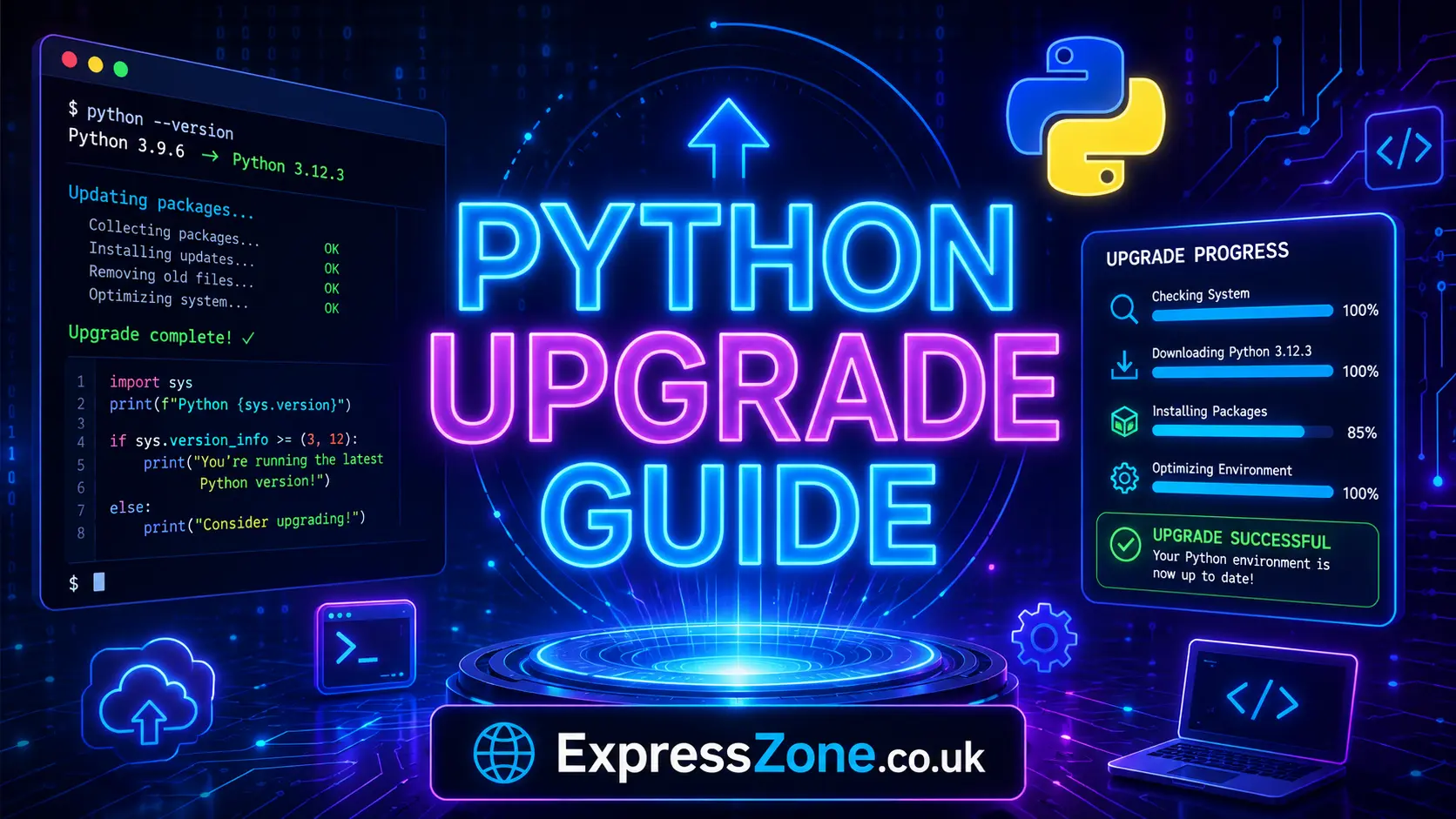
The upgrade process begins by checking the current installed version of Oxzep7 Python. Then the latest version is fetched using package tools such as the Python package upgrade process.
After that, the system updates dependencies and replaces older files. Finally, a verification step confirms successful installation.
Command-Line Upgrade Method
The most common method is using the command-line interface. Developers run:
pip install –upgrade oxzep7
following the official pip upgrade command usage method.
This ensures direct access to the latest stable release and automatically handles dependency resolution during installation.
Verification After Upgrade
After upgrading Oxzep7 Python, verification ensures that the system is functioning correctly. Users check version output using CLI commands described in Python version compatibility matrix.
Testing basic functionality helps confirm that no modules are broken or missing after the upgrade process.
Common Upgrade Errors
Common errors include dependency conflicts, missing modules, or incompatible Python versions. These issues often arise during major upgrades.
Another frequent issue is permission errors when installing system-level packages without proper access rights.
Troubleshooting Solutions
Most upgrade issues can be solved by reinstalling dependencies or using isolated environments. The virtual environment isolation approach helps prevent system-wide conflicts.
Clearing cache and reinstalling Oxzep7 Python often resolves corrupted installation problems.
Security Considerations
Security is a key factor when upgrading Oxzep7 Python. Always download updates from trusted sources such as GitHub repositories and official documentation.
Updated versions usually include security patches that protect against vulnerabilities in older releases.
Best Practices
Follow the Python package upgrade process carefully to avoid system instability. Always test upgrades in a staging environment first.
Using virtual environment isolation helps prevent conflicts between projects and ensures safer upgrades.
Alternative Methods
Apart from pip, Oxzep7 Python can also be upgraded via source installation or package managers depending on system configuration.
The pip upgrade command usage method remains the most widely used due to its simplicity and reliability.
For exploring more emerging tools and software updates, you can also check recent platforms like emerging software releases.
Official Resources and Community Support
Official documentation provides detailed upgrade instructions, version history, and troubleshooting guides for Oxzep7 Python users.
Community forums and developer discussions also help resolve advanced issues through shared experience and solutions.
Important Highlights
- Always check Python compatibility before upgrading
- Backup configuration files before starting upgrade
- Use virtual environments to avoid conflicts
- Verify installation after upgrade completion
- Install only from trusted sources for security
Conclusion
Upgrading Oxzep7 Python is an essential process for maintaining system stability, performance, and compatibility. It ensures that developers can work with the latest features without facing dependency issues.
By following structured upgrade steps, using proper backup strategies, and verifying installation, users can safely manage Oxzep7 Python across different environments.
FAQs
What is Upgrade Oxzep7 Python?
It refers to updating Oxzep7 to the latest version for better performance, security, and compatibility.
Is Python version important for upgrade?
Yes, older Python versions may not support latest updates.
Do I need backup before upgrading?
Yes, backup prevents data loss or configuration issues.
What are common upgrade errors?
Dependency conflicts, permission issues, and version mismatch.
How do I verify successful upgrade?
Run version command and test core functionality.

Kamran Khatri is a versatile writer and editor at ExpressZone.co.uk, bringing fresh perspectives and insightful commentary across a wide range of topics. With a passion for exploring diverse subjects—from technology, business, and finance to lifestyle, travel, and the arts—Kamran aims to inform, inspire, and engage readers through well-researched articles and thought-provoking content.
His work spans multiple categories including health, education, pets, entertainment, real estate, and sustainability, reflecting his commitment to delivering knowledge that connects with everyday life. Whether breaking down the latest trends, sharing practical tips, or highlighting cultural insights, Kamran’s writing combines clarity with creativity.
When he’s not crafting stories for ExpressZone.co.uk, Kamran enjoys keeping up with global developments, exploring innovative ideas, and connecting with readers who share his curiosity about the world.